Ir directamente al contenido


Penguin Random House
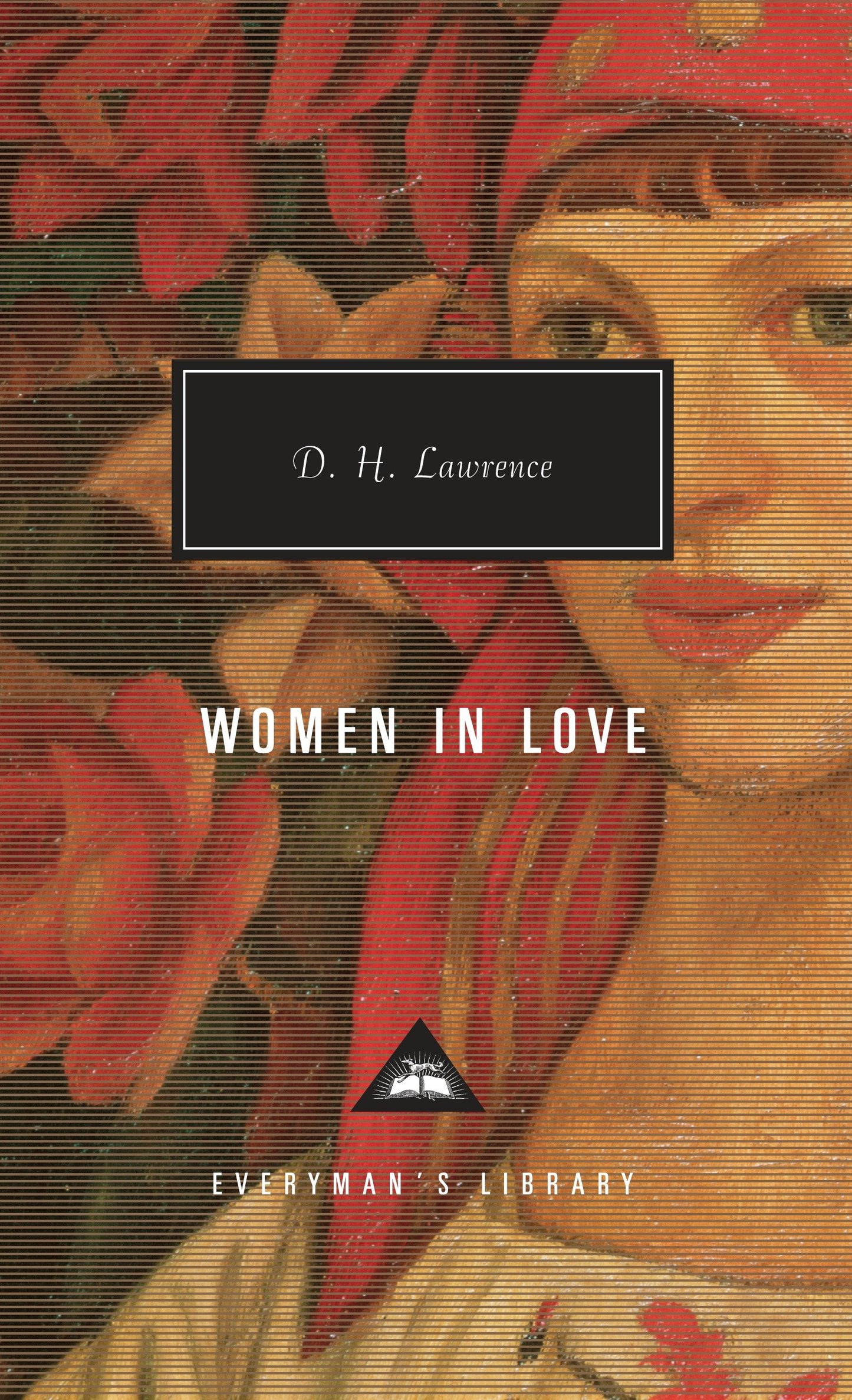
Women in Love - Introduction by David Ellis (Everyman's Library Contemporary Classics Series)
Women in Love - Introduction by David Ellis (Everyman's Library Contemporary Classics Series)
Precio habitual
$26.00 USD
Precio habitual
Precio de oferta
$26.00 USD
Precio unitario
por
Los gastos de envío se calculan en la pantalla de pago.
No se pudo cargar la disponibilidad de retiro
Widely considered the best novel from one of the best writers of the twentieth century, this "astonishing work" (The New York Review of Books) continues where The Rainbow left off, revealing a powerful portrayal of two couples dynamically engaged in a struggle with themselves, with each other, and with life’s intractable limitations.
The sisters Ursula and Gudrun Brangwen, whom we first met in Lawrence’s novel The Rainbow, here become involved with two close friends: Rupert, an intellectual school inspector; and Gerald, the wealthy heir to a mine owner. The turbulent relationships that result—chronicled with an emotional and sexual frankness that provoked controversy on the book’s publication in 1920—take the characters from an English landscape of coal mines and sooty factories to the snowy heights of the Alps, where tragedy strikes.
Women in Love was written during World War I, and while that conflict is never mentioned in the novel, a sense of background danger, of lurking catastrophe, continually informs its drama. Lawrence was a powerful, prophetic writer, but in addition he brought such delicacy to his treatment of the human and natural worlds that E. M. Forster’s claim that he was the greatest imaginative novelist of his generation does him too little justice rather than too much.
The sisters Ursula and Gudrun Brangwen, whom we first met in Lawrence’s novel The Rainbow, here become involved with two close friends: Rupert, an intellectual school inspector; and Gerald, the wealthy heir to a mine owner. The turbulent relationships that result—chronicled with an emotional and sexual frankness that provoked controversy on the book’s publication in 1920—take the characters from an English landscape of coal mines and sooty factories to the snowy heights of the Alps, where tragedy strikes.
Women in Love was written during World War I, and while that conflict is never mentioned in the novel, a sense of background danger, of lurking catastrophe, continually informs its drama. Lawrence was a powerful, prophetic writer, but in addition he brought such delicacy to his treatment of the human and natural worlds that E. M. Forster’s claim that he was the greatest imaginative novelist of his generation does him too little justice rather than too much.