Ir directamente al contenido


Penguin Random House
Wildlife Crossings: Protecting Animal Pathways Around the World
Wildlife Crossings: Protecting Animal Pathways Around the World
Precio habitual
$18.99 USD
Precio habitual
Precio de oferta
$18.99 USD
Precio unitario
por
Los gastos de envío se calculan en la pantalla de pago.
No se pudo cargar la disponibilidad de retiro
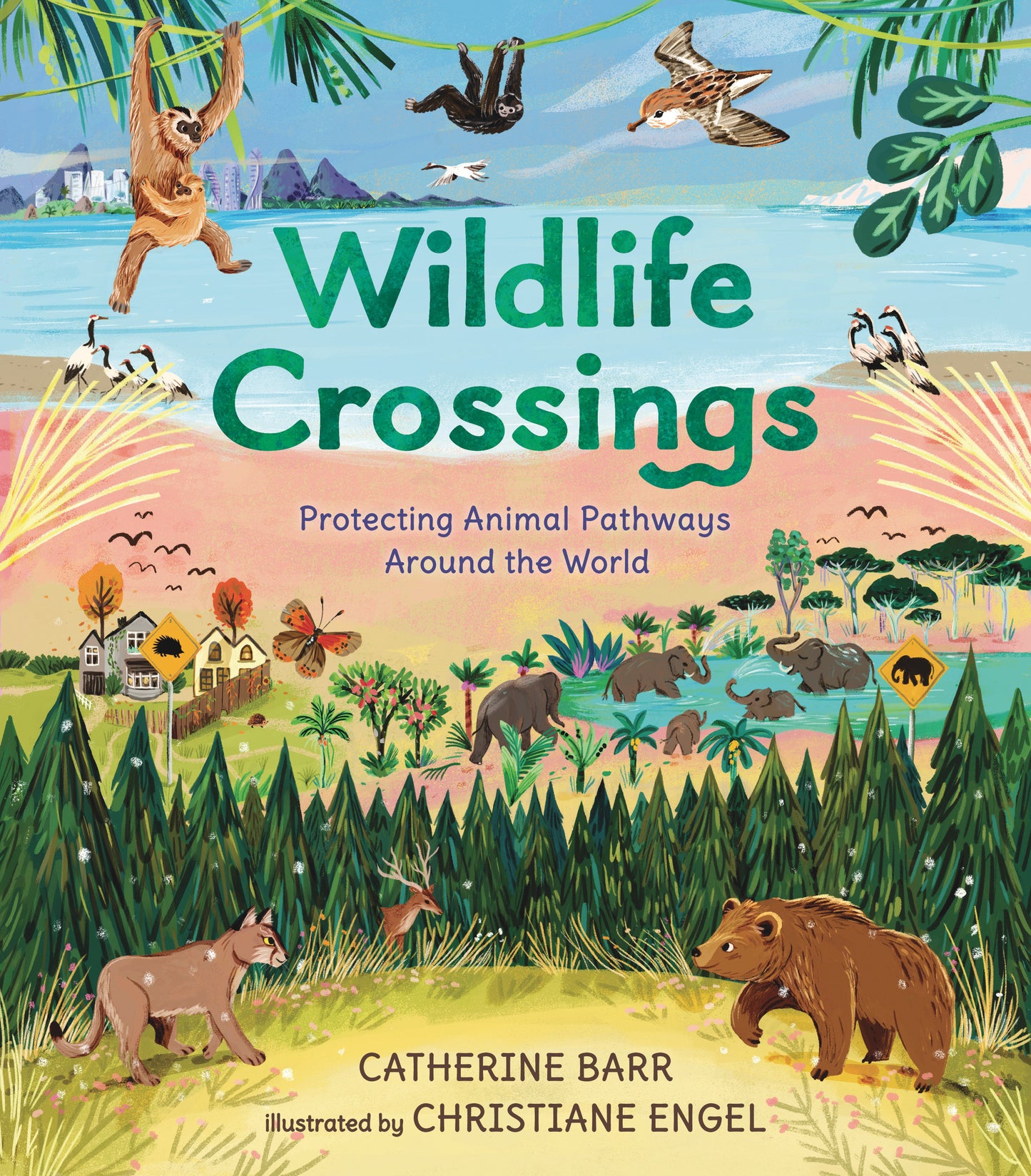
How have we prevented wild animals from accessing the pathways they need to survive? A look at seven species that humans have put at risk and are now trying to help.
From the cocreators of Water: How We Can Protect Our Freshwater comes a compelling picture book about threatened animal species around the world, among them elephants, hedgehogs, spoon-billed sandpipers, gibbons, salmon, grizzly bears, and cougars. Discover how the infringement of humans into these creatures’ habitats has cut them off from vital pathways and put them at risk, then find out how people are helping them by reconnecting wildlands and waterways. Trace the animals’ tracks, understand their challenges, and explore their journeys to find food, water, and the mates they need to survive. With an engaging narrative and bold illustrations, this enlightening book offers an end note providing a brief overview of similar challenges and solutions involving six more international species.
From the cocreators of Water: How We Can Protect Our Freshwater comes a compelling picture book about threatened animal species around the world, among them elephants, hedgehogs, spoon-billed sandpipers, gibbons, salmon, grizzly bears, and cougars. Discover how the infringement of humans into these creatures’ habitats has cut them off from vital pathways and put them at risk, then find out how people are helping them by reconnecting wildlands and waterways. Trace the animals’ tracks, understand their challenges, and explore their journeys to find food, water, and the mates they need to survive. With an engaging narrative and bold illustrations, this enlightening book offers an end note providing a brief overview of similar challenges and solutions involving six more international species.