Ir directamente al contenido


Penguin Random House
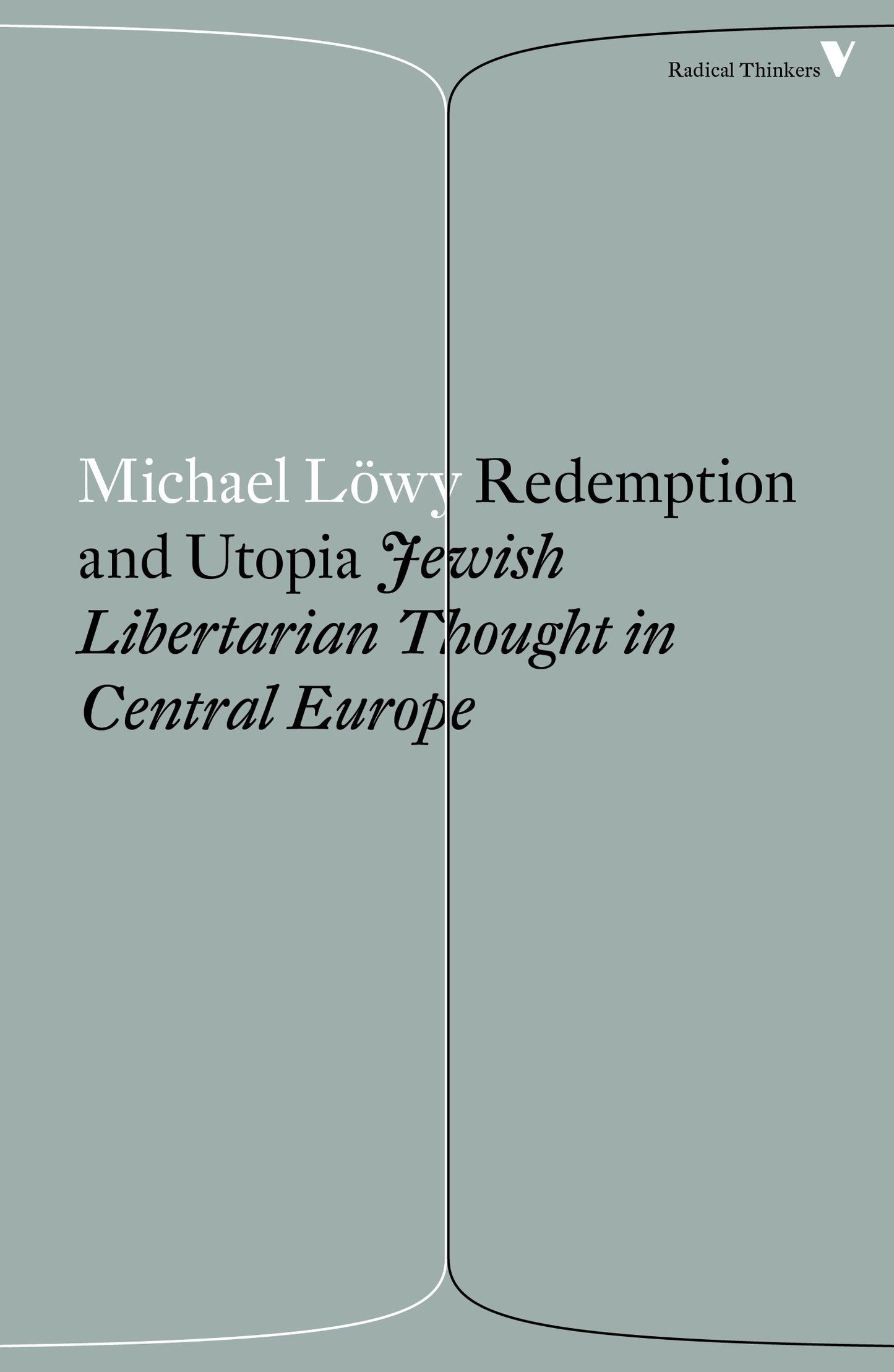
Redemption and Utopia - Jewish Libertarian Thought in Central Europe
Redemption and Utopia - Jewish Libertarian Thought in Central Europe
Precio habitual
$34.95 USD
Precio habitual
Precio de oferta
$34.95 USD
Precio unitario
por
Los gastos de envío se calculan en la pantalla de pago.
No se pudo cargar la disponibilidad de retiro
Classic study of Jewish libertarian thought, from Walter Benjamin to Franz Kafka
Towards the end of the nineteenth century, there appeared in Central Europe a generation of Jewish intellectuals whose work was to transform modern culture. Drawing at once on the traditions of German Romanticism and Jewish messianism, their thought was organized around the cabalistic idea of the “tikkoun”: redemption. Redemption and Utopia uses the concept of “elective affinity” to explain the surprising community of spirit that existed between redemptive messianic religious thought and the wide variety of radical secular utopian beliefs held by this important group of intellectuals. The author outlines the circumstances that produced this unusual combination of religious and non-religious thought and illuminates the common assumptions that united such seemingly disparate figures as Martin Buber, Franz Kafka, Walter Benjamin and Georg Lukács.
Towards the end of the nineteenth century, there appeared in Central Europe a generation of Jewish intellectuals whose work was to transform modern culture. Drawing at once on the traditions of German Romanticism and Jewish messianism, their thought was organized around the cabalistic idea of the “tikkoun”: redemption. Redemption and Utopia uses the concept of “elective affinity” to explain the surprising community of spirit that existed between redemptive messianic religious thought and the wide variety of radical secular utopian beliefs held by this important group of intellectuals. The author outlines the circumstances that produced this unusual combination of religious and non-religious thought and illuminates the common assumptions that united such seemingly disparate figures as Martin Buber, Franz Kafka, Walter Benjamin and Georg Lukács.